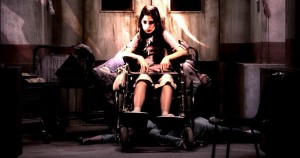
Discussion: Magical Disabilities
When we talk about disability and sci-fi/fantasy, the first thing many will think of is the magical disability trope. But what does this trope entail and imply? And how can you subvert it?


When we talk about disability and sci-fi/fantasy, the first thing many will think of is the magical disability trope. But what does this trope entail and imply? And how can you subvert it?

When I received my diagnosis of Asperger’s syndrome seven years ago, I thought of all the young people today who face the social challenges and bullying that I faced decades earlier. I wanted to create a character like me, but one who fights back against the way others treat her in a way that I never did.

Rogue is one of the rare novels about an autistic character written by an autistic author, and the book raises many intriguing questions to discuss.
You Look Different in Real Life is a contemporary YA novel in which the broken friendship between the protagonist and her autistic best friend plays a central role–a thoughtfully handled plot thread that we were eager to talk to author Jennifer Castle about.

A Q&A with author Corey Ann Haydu about the origins of OCD Love Story and the many and varied ways anxiety can manifest.

You’re Welcome, Universe author Whitney Gardner sits down with Andrea Shettle and site editor Natasha Razi to discuss her debut novel!
Masturbation (and sexuality in general), particularly for girls, is widely stigmatized. But on top of that stigma, I had this body that was utterly different from the bodies around me. It was different and therefore wrong.
What kind of tips do our contributors have for authors seeking to respectfully write disabled characters?

Don’t Touch is an insightful look into the life of a girl with OCD, and we were delighted to interview author Rachel M. Wilson about this wonderful debut.
Romanticization is a common element of mental illness narratives, including many in the YA category; what kind of message does that send?